Falling
The Hidden Link Between Medications and Falls

In this article
Falls are not an inevitable part of aging, and they rarely happen without warning. Behind every fall is a pattern of subtle shifts in balance, gait, and reaction time that begin weeks or months earlier.
Medications often play a larger role than many suspect. A systematic review in the Journal of the American Geriatrics Society reported that 65% to 93% of older adults injured in falls were taking at least one medication known to increase fall risk at the time of their injury.
Medication-related fall risk is both common and preventable. In the United States, up to 94% of adults 65 and older are prescribed at least one fall-risk-increasing medication, highlighting how widespread the problem has become. Recognizing the early warning signs and understanding the connection between medications and falls is key to protecting independence and reducing preventable injuries and hospitalizations.
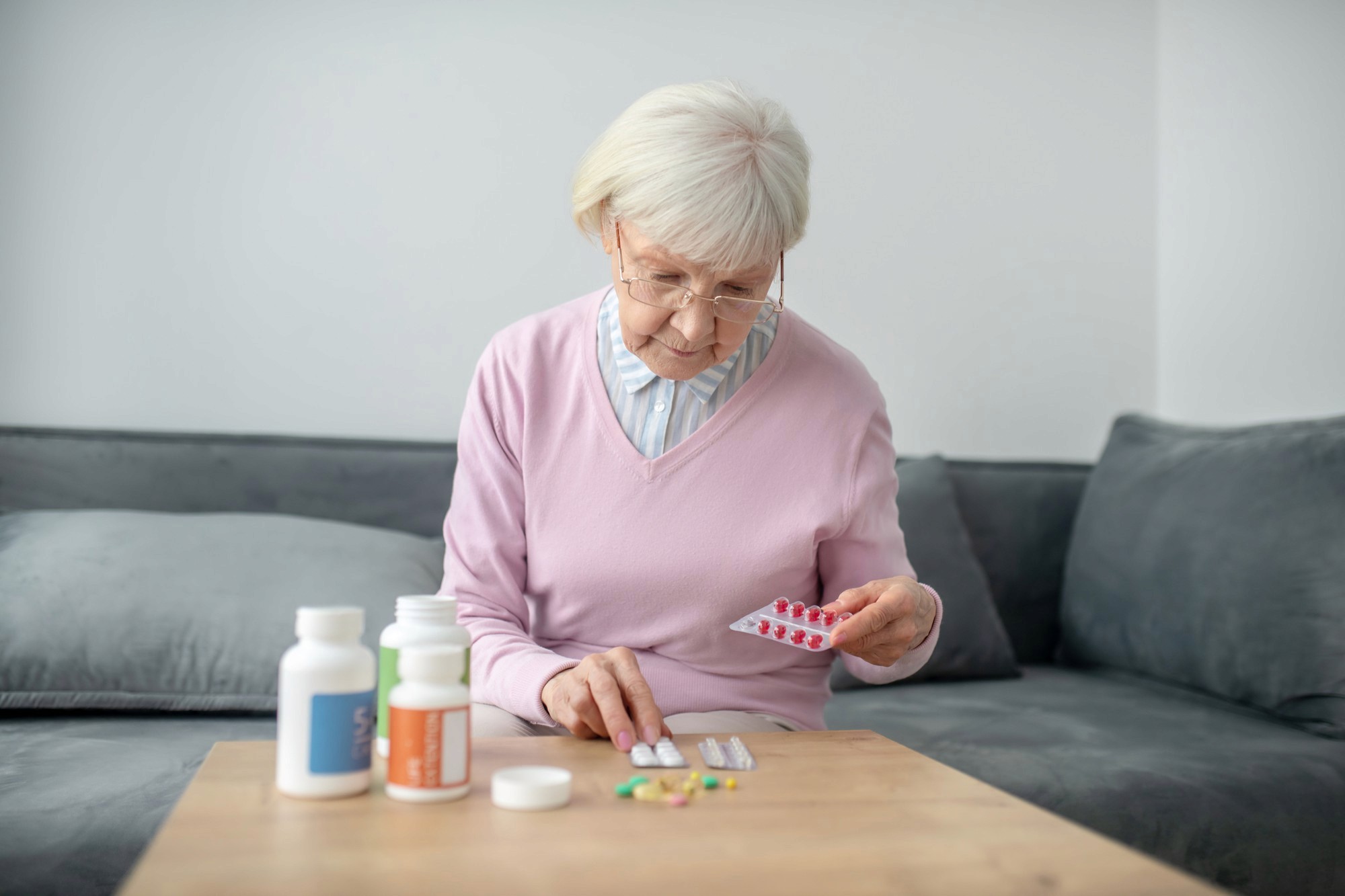
The Evidence Is Clear: Medications Can Increase Fall Risk
Falls remain one of the leading causes of injury, hospitalization, and loss of independence among adults over 65. A large body of evidence shows that medication use is a significant and modifiable contributing factor.
According to an analysis of cross-sectional survey data from 14,900 participants published in JAMA, more than 4 in 10 adults aged 65 and older reported using five or more prescription medications between 2017 and 2020, a significant increase from roughly 24% two decades earlier. Today, older adults are managing more medications than ever before, driven by rising rates of chronic disease and longer life expectancies.
These medications are often necessary and clinically appropriate. The issue is not their use, but the need for consistent, systematic awareness of how they may affect balance, cognition, and daily function, especially as regimens grow complex.
Understanding these patterns is essential for reducing adverse drug events, preventing unnecessary polypharmacy, and supporting safer, more coordinated care.
Why Medications Increase Risk in Older Adults
Polypharmacy, typically defined as the use of five or more medications, is associated with higher fall risk. Research from the English Longitudinal Study of Ageing found that the rate of falls was 21% higher in people with polypharmacy compared to those without. The prevalence of hospital admissions due to falls also increased steadily with polypharmacy status.
As the number of medications grows, so does the risk of compounding side effects. Dizziness, low blood pressure, impaired balance, and slower reaction time might seem manageable separately. For older adults with multiple conditions, these effects quietly increase vulnerability. Combined with frailty, reduced mobility, or chronic disease, the risk of severe falls rises.
This is not just a medication management problem. It is a challenge of coordination and oversight, one that often develops gradually at home, between clinical visits, where care teams have limited visibility into what is happening day to day.
Which Medications Carry the Highest Risk
Not all medications carry the same level of risk. Clinical research has identified several drug classes that are more frequently linked to falls in older adults. The Journal of the American Geriatrics Society and the BMJ describe a category known as fall-risk-increasing drugs, or FRIDs. These commonly include benzodiazepines, sedative sleep medications, opioids, certain antidepressants, and some blood pressure medications.
The risks associated with these drug classes are well documented:
Sleep medications have been associated with roughly a 30% or greater increase in fall risk.
Opioid use has been linked to higher rates of serious fall-related injuries and emergency department visits.
Blood pressure medications that can cause sudden drops in pressure upon standing, a condition known as orthostatic hypotension, can significantly increase fall risk in older adults.
It's important to recognize that these medications are often medically necessary. Ongoing awareness of possible effects on balance, cognition, and function is critical as medication regimens become more complex.
The Challenge: Medication-Related Fall Risk Often Goes Unnoticed
Many medications that increase fall risk produce subtle side effects that may not be recognized during routine clinical visits. Symptoms, including dizziness and delayed reaction time, may each appear minor on their own. In older adults with multiple conditions and medications, however, these effects often compound quietly, increasing vulnerability before anyone in the care system has reason to intervene.
Caregivers are often the first to notice meaningful changes:
A hesitation on the stairs that wasn't there last month
More frequent breaks during activities that were previously routine
Mild confusion following a medication adjustment
Subtle but consistent changes in steadiness
These early behavioral signals are rarely captured in traditional care models, and yet they are often the first indication that something needs clinical attention.
By the time these changes become visible in a clinical setting, the window for early intervention has often already passed. The opportunity lies in building systems that surface these signals earlier, where and when they occur, and connecting them to the care teams best positioned to act.
Turning Early Signals into Action
Preventing medication-related falls requires connecting data that has historically been scattered across settings, devices, and care teams. When medication data is combined with continuous monitoring of mobility, activity, and gait, emerging risk trends can be identified before they escalate, giving care teams and caregivers the visibility to intervene proactively, before a fall occurs.
These connected systems do more than prevent injury. They help older adults maintain confidence and independence at home while giving families something equally valuable: time. Time to have important conversations, thoughtfully adjust care plans, and make well-informed decisions before a crisis forces their hand.
HIA's Approach
At HIA, we believe early signals are predictive and that identifying them systematically changes outcomes. That's why we're building technology that surfaces risk patterns before they escalate. Not for diagnosis or to replace clinical judgment, but to enable earlier awareness so care teams and caregivers can intervene when it matters most.
Through our LifelineConnect ecosystem, HIA is exploring integrating medication tracking, mobility monitoring, caregiver dashboards, and clinical decision support into a single secure platform. Rather than relying on manual reminders and fragmented records, our approach moves toward a future where medication routines are automatically tracked, authorized caregivers receive timely updates when support is needed, and care teams can review adherence trends from a unified view.
Our goal is simple: To surface the right signals early enough that care teams can act, families can plan, and older adults can stay independent longer.
Partnering for Safer Care
HIA collaborates with healthcare organizations, payers, and care networks to integrate medication monitoring, early detection, and connected care solutions into everyday clinical workflows, transforming medication management from a reactive, fragmented process into a connected, data-informed system that flags risks before they lead to decline.
By linking insights across caregivers, families and care teams, HIA is building a continuous circle of safety and independence that reduces preventable hospitalizations, eases caregiver strain, and turns medication safety into a measurable driver of better outcomes for aging populations.
Stay Connected with HIA
If your organization is interested in partnering with HIA on medication safety, fall prevention, or dementia research, we'd welcome the opportunity to discuss. Contact us at partner@healthimpactalliance.com.
To stay updated on the future of senior health technology, follow our LinkedIn and X for updates and insights. Interested in joining as a collaborator? Visit our website to learn more and get involved.
Explore
U.S. Office
8 The Green, Suite B, Dover, DE, 19901, USA
Hong Kong Office
Unit 2406, 24/F, Low Block, Grand Millennium Plaza, 181 Queen's Road Central, Sheung Wan, Hong Kong
Stockholm Office
Brännkyrkagatan 76, 118 23 Stockholm Sweden
Shenzhen Office
Unit 2305, Building T1, Fangdacheng, No. 2 Longzhu 4th Road, Nanshan District, Shenzhen, People’s Republic of China