Aging
Understanding the Connection Between Mobility, Frailty, and Independence

In this article
How early recognition and intervention can help preserve independence in older adults
Introduction
For many older adults, independence is more than a preference. It is part of their identity. Being able to manage daily routines and stay connected with family and friends brings meaning to life.
However, independence can be more fragile than it appears. As strength and physical ability start to decline, it becomes harder to move safely and stay active. While these changes are often seen as a part of normal aging, they can also signal something more serious: frailty.
Frailty increases the risk of disability, falls, hospitalization, and loss of independence. As the U.S. population continues to age, recognizing the early signs of pre-frailty and intervening early is key to maintaining strength, mobility, and independence over time.
Frailty vs Normal Aging
As people age, it’s normal to slow down a bit and have a little less energy.
Frailty is different.
Research suggests that about 15% of older adults in the U.S. are frail, with another 45% considered pre-frail, placing them at elevated risk. With frailty, the body is more vulnerable and recovers more slowly from everyday challenges like illness, injury, or changes in routine. Symptoms of frailty often include a combination of changes such as:
Ongoing fatigue: Feeling very tired or low on energy, even after resting.
Reduced strength: Everyday tasks like lifting, carrying, or even standing for a while become harder.
Slower walking: Moving around takes more effort, and steps may feel less steady.
Lower activity levels: Spending more time sitting and avoiding activities.
Unintended weight loss: Losing weight without trying, which can affect overall health and strength.
The key difference is risk. Studies show frailty is strongly linked to a higher risk of falls, hospitalization, and loss of independence. Recognizing it early creates the opportunity to intervene and help change the course of decline.
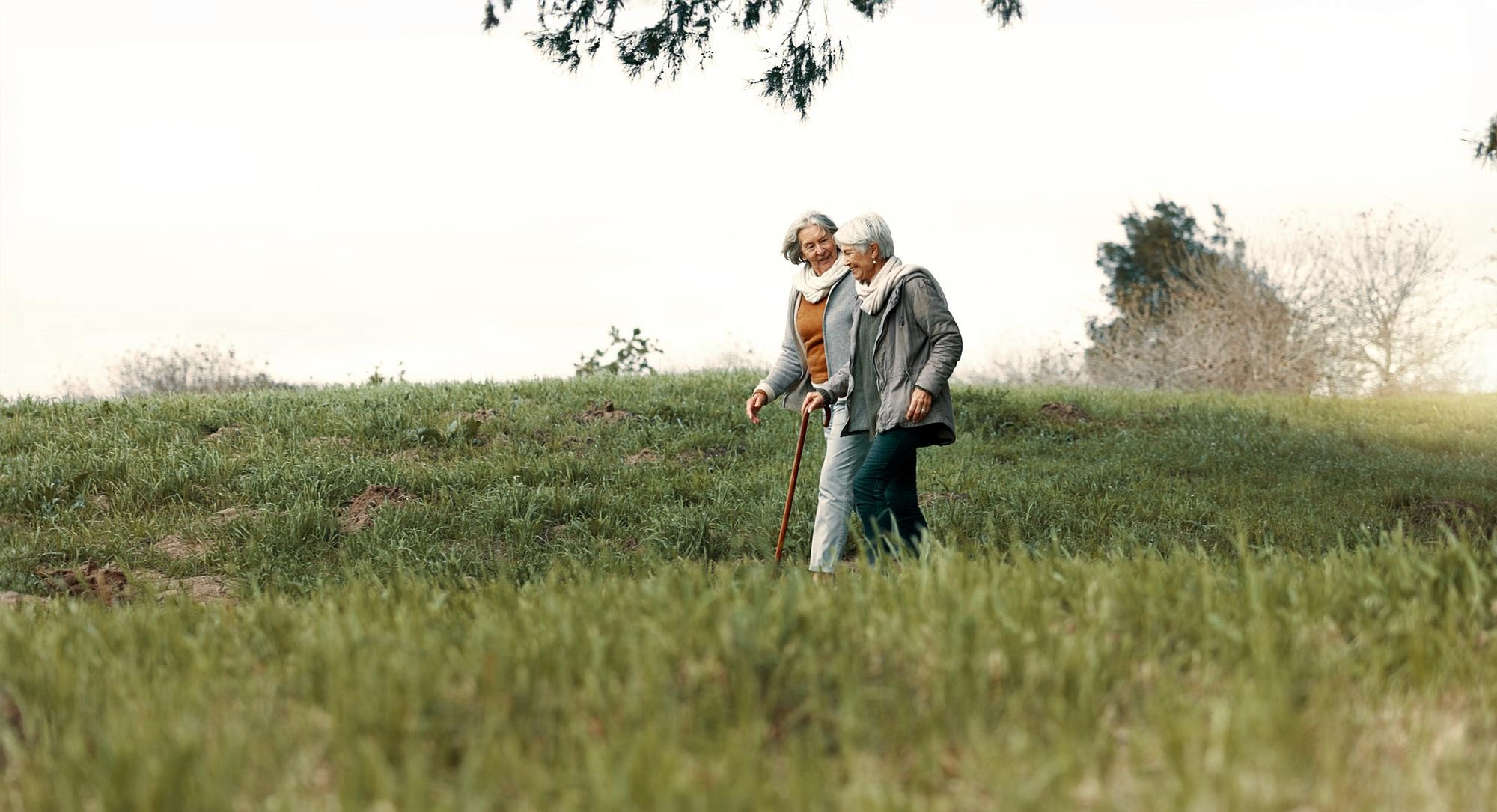
Supporting Independence through Early Recognition
Frailty is not inevitable. Evidence demonstrates that early action can slow, prevent, and even improve it. The earlier these changes are recognized, the greater the opportunity to preserve strength, mobility, and independence. Focusing on the following areas together can help make a difference:
Movement and exercise: Strength, balance, and regular activity help maintain mobility and confidence in everyday life.
Nutrition: Adequate protein and calories support muscle health and recovery during periods of vulnerability.
Home environment: Simple adjustments, such as grab bars, improved lighting, and removing tripping hazards, can make daily activities safer.
Tools and technology: Continuous monitoring of movement and activity patterns can surface early changes before they become serious risks.
This approach helps focus on building resilience and strength rather than just reacting to decline.
Turning Early Signals into Action
Frailty often begins with subtle changes in mobility and activity. These early warning signs can be detected through continuous monitoring of gait, activity, and daily movement, allowing families and care teams to adjust care plans and act before a crisis occurs.
By integrating early detection and supporting interventions that strengthen mobility, safety, and function, the result is fewer hospitalizations, enhanced quality of life and extended independence.
How HIA Is Making a Difference
At HIA, we believe early signals are predictive and that identifying them systematically changes outcomes. That's why we're building technology that surfaces risk patterns in frailty before they escalate. Not for diagnosis or to replace clinical judgment, but to enable earlier awareness so care teams and caregivers can intervene when it matters most.
Through our LifelineConnect ecosystem, we integrate mobility monitoring, activity tracking, caregiver insights, and clinical support into a single connected view by:
Integrating key risk indicators: Combining movement, activity, chronic conditions, and functional changes to create a clearer picture of risk.
Setting standards for smart monitoring: Ensuring monitoring tools are accurate, reliable, and clinically meaningful through Silverline™ certification.
Simplifying insights for families: Translating complex data into clear, actionable signals so caregivers know when and how to step in.
The goal is simple: give care teams the ability to act earlier, give families confidence in planning, and help older adults stay stronger, safer, and independent longer.
Stay Connected with HIA
If your organization is interested in partnering with HIA on early detection, fall prevention, or dementia research, we would welcome the opportunity to discuss. Contact us at partner@healthimpactalliance.com.
To stay updated on the future of senior health technology, follow us on LinkedIn and X for updates and insights. Interested in joining as a collaborator? Visit our website to learn more and get involved.
Explore
U.S. Office
8 The Green, Suite B, Dover, DE, 19901, USA
Hong Kong Office
Unit 2406, 24/F, Low Block, Grand Millennium Plaza, 181 Queen's Road Central, Sheung Wan, Hong Kong
Stockholm Office
Brännkyrkagatan 76, 118 23 Stockholm Sweden
Shenzhen Office
Unit 2305, Building T1, Fangdacheng, No. 2 Longzhu 4th Road, Nanshan District, Shenzhen, People’s Republic of China